

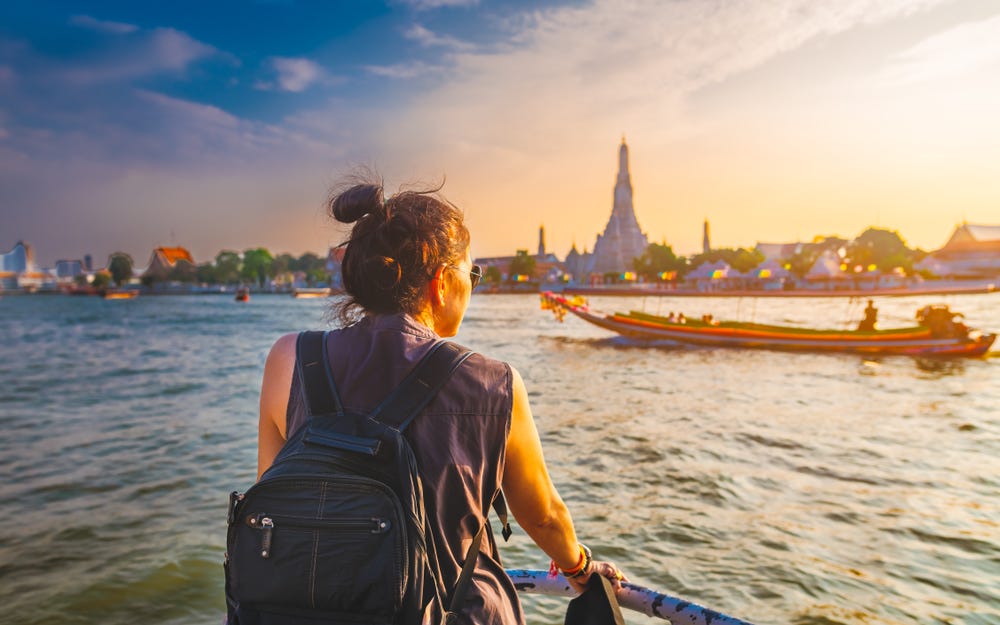
Travel is more than moving from one place to another. It is about experiencing cultures, learning new perspectives, and creating lasting memories. Whether you are planning a short domestic getaway or a long international journey, smart preparation can turn a good trip into an unforgettable one.
This guide focuses on real-world travel advice, helping you plan efficiently, manage costs, and travel responsibly without unnecessary stress.
Why Travel Matters in the Modern World
Travel plays a key role in personal growth and well-being. It helps people disconnect from routine and reconnect with curiosity.
Key benefits of travel include:
-
Exposure to different cultures and traditions
-
Improved mental health through change of environment
-
Enhanced problem-solving and adaptability skills
-
Deeper appreciation for global diversity
Travel is not just leisure; it is an investment in experiences that shape perspective.
Types of Travel Experiences
Understanding the type of travel you want helps shape better decisions and expectations.
Leisure Travel
Focused on relaxation and enjoyment, often involving beaches, resorts, and sightseeing.
Adventure Travel
Includes activities such as trekking, scuba diving, wildlife safaris, and mountain exploration.
Cultural Travel
Centered on history, heritage, food, and local customs, often involving museums and historic towns.
Business and Work Travel
Short, goal-driven trips that may include conferences, meetings, or remote work stays.
Each travel style requires different planning priorities, from packing to budgeting.
How to Plan a Trip Effectively
Good planning reduces stress and unexpected expenses while increasing enjoyment.
Destination Research
Before booking anything, understand:
-
Climate and best travel season
-
Local customs and etiquette
-
Entry requirements such as visas or permits
Budget Planning
Create a realistic budget covering:
-
Transportation
-
Accommodation
-
Food and activities
-
Emergency expenses
A flexible buffer helps manage surprises without panic.
Travel Documentation
Ensure your documents are up to date:
-
Passport validity
-
Visa requirements
-
Travel insurance coverage
Proper documentation is often overlooked but critically important.
Smart Packing Tips for Travelers
Packing smart saves time, money, and energy during your trip.
Essential packing strategies:
-
Pack versatile clothing suitable for layering
-
Use packing cubes for organization
-
Carry essential documents in digital and physical form
-
Avoid overpacking by checking airline baggage limits
Minimalist packing often leads to a smoother travel experience.
Staying Safe While Traveling
Safety should always be part of travel planning, regardless of destination.
Basic travel safety practices:
-
Keep copies of important documents
-
Avoid displaying valuables publicly
-
Stay aware of local laws and customs
-
Use trusted transportation options
Being cautious does not limit enjoyment; it enhances peace of mind.
Responsible and Sustainable Travel
Modern travelers are increasingly aware of their impact on destinations.
Ways to travel responsibly include:
-
Supporting local businesses
-
Reducing plastic and waste
-
Respecting wildlife and natural environments
-
Being mindful of cultural sensitivities
Sustainable travel ensures destinations remain vibrant for future generations.
Frequently Asked Questions (FAQs)
What is the best way to choose a travel destination?
Start by considering your budget, available time, personal interests, and travel season to narrow down destinations that fit your priorities.
How far in advance should a trip be planned?
Domestic trips usually require 2–4 weeks of planning, while international travel often benefits from 2–6 months of preparation.
Is travel insurance really necessary?
Yes, travel insurance provides financial protection against medical emergencies, cancellations, and lost belongings.
How can travelers save money without sacrificing comfort?
Booking early, traveling during shoulder seasons, and choosing local accommodations can significantly reduce costs.
What should travelers do if plans change unexpectedly?
Remain flexible, keep emergency funds available, and stay informed through local authorities or airlines.
How can solo travelers stay safe?
Solo travelers should share itineraries with trusted contacts, avoid risky areas, and stay connected through reliable communication tools.
What makes a trip truly memorable?
Authentic experiences, meaningful interactions with locals, and openness to learning often matter more than luxury or location.
Comments are closed.