

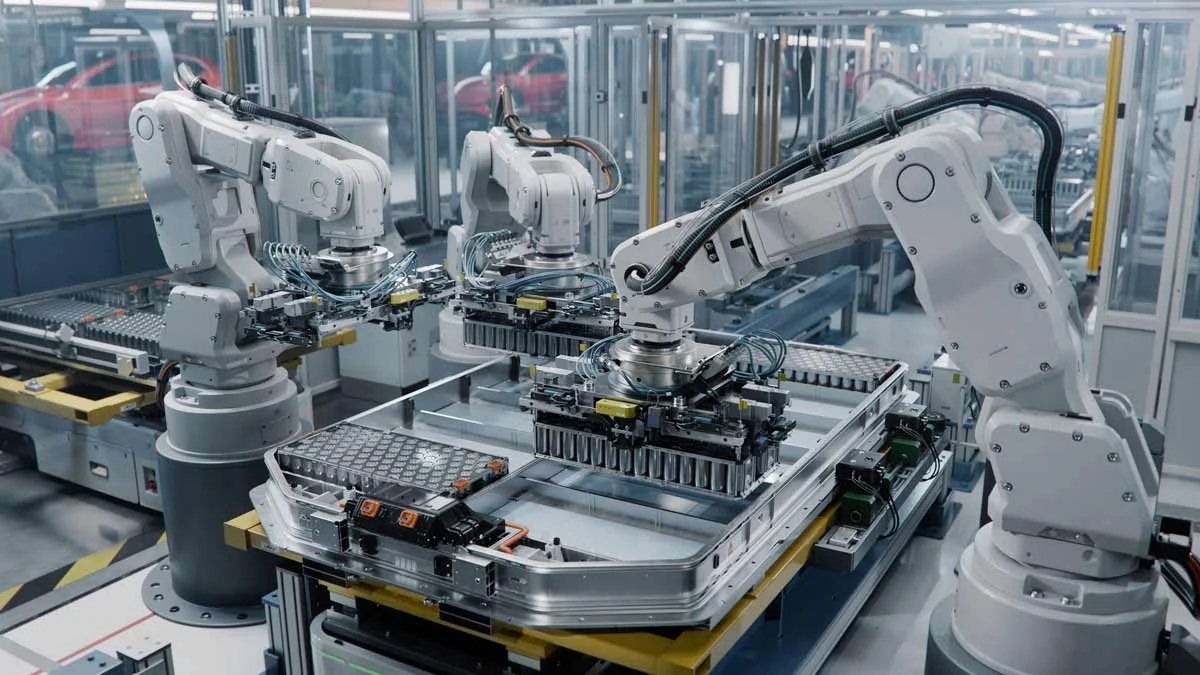
The automotive industry is undergoing a dramatic transformation, driven by technological advancements, environmental concerns, and shifting consumer expectations. From the rise of electric vehicles to the integration of artificial intelligence, this sector is redefining mobility in the 21st century. Understanding these changes provides valuable insight into where the industry is heading and what drivers, manufacturers, and policymakers should anticipate.
Evolution of Automotive Technology
The industry has progressed far beyond its mechanical roots. Modern vehicles are not only modes of transport but also sophisticated digital machines. Innovations such as autonomous driving systems, electric powertrains, and connected car technologies have set new standards.
Key Developments in Recent Years
-
Electrification: Growing adoption of hybrid and fully electric vehicles, supported by improved battery efficiency.
-
Connectivity: Cars are now equipped with smart infotainment systems, real-time GPS, and remote diagnostics.
-
Automation: Advanced driver-assistance systems (ADAS) pave the way for fully autonomous vehicles.
-
Sustainability: Greater focus on lightweight materials and recyclable components to reduce environmental impact.
Rise of Electric Vehicles (EVs)
Electric vehicles have shifted from niche to mainstream. Governments worldwide are encouraging EV adoption through incentives, subsidies, and stricter emission regulations. In urban centres, EVs are becoming essential for tackling pollution and reducing dependency on fossil fuels.
Benefits of EV Adoption
-
Lower running costs due to cheaper electricity compared to petrol and diesel.
-
Reduced greenhouse gas emissions contributing to cleaner cities.
-
Quieter operation, improving urban living standards.
-
Continuous technological improvements leading to longer driving ranges.
Autonomous Driving: A Revolution in Progress
Autonomous driving remains one of the most ambitious goals of the automotive industry. While full self-driving vehicles are not yet the norm, automation has already enhanced safety and convenience.
Levels of Autonomy
-
Level 1–2: Assistance with steering, braking, and acceleration.
-
Level 3–4: Conditional automation where the car handles most driving tasks in controlled environments.
-
Level 5: Full automation with no driver input required, still under development.
Autonomous technology is expected to reduce accidents caused by human error, increase efficiency in logistics, and reshape urban transport systems.
Digital Transformation and Smart Cars
Connectivity is becoming central to the automotive experience. Smart cars are integrated with mobile apps, cloud platforms, and AI assistants, providing seamless communication between vehicle, driver, and infrastructure.
Features of Smart Cars
-
Predictive maintenance alerts to prevent breakdowns.
-
Real-time traffic updates and route optimisation.
-
Enhanced in-car entertainment with voice-activated controls.
-
Over-the-air software updates improving performance and security.
Sustainability and Green Innovation
Environmental concerns have reshaped how vehicles are designed and manufactured. The industry is focusing on renewable energy integration, eco-friendly manufacturing practices, and recyclable vehicle components.
Strategies for a Greener Future
-
Use of biodegradable materials in interiors.
-
Development of hydrogen fuel cell vehicles.
-
Greater reliance on renewable energy in production plants.
-
Circular economy initiatives for battery recycling.
Changing Consumer Behaviour
Modern drivers demand more than just performance and style. Consumers increasingly value convenience, connectivity, and sustainability. Subscription-based vehicle access, car-sharing, and mobility-as-a-service models are reshaping ownership patterns.
Shifts in Preferences
-
Younger generations prioritise access over ownership.
-
Increased demand for flexible leasing and ride-hailing.
-
Higher expectations for seamless digital experiences inside vehicles.
-
Growing awareness of carbon footprint in mobility choices.
The Role of Artificial Intelligence
Artificial intelligence plays a pivotal role in the automotive industry, from predictive maintenance to smart navigation and voice-assisted controls. AI also supports autonomous vehicle development through advanced data processing and machine learning.
Safety and Regulations
As vehicles become more complex, safety remains paramount. Governments are updating regulatory frameworks to ensure that automation, electrification, and connectivity are introduced responsibly.
Key Regulatory Focus Areas
-
Cybersecurity standards for connected cars.
-
Safety testing for autonomous systems.
-
Stricter emission targets to push green adoption.
-
Data privacy laws for vehicles integrated with AI.
Future Trends in the Automotive Sector
Looking ahead, the industry is expected to focus on:
-
Widespread adoption of electric and hydrogen-powered vehicles.
-
Further development of smart city ecosystems integrated with autonomous cars.
-
Expansion of subscription-based mobility services.
-
Advanced AI integration for personalised driving experiences.
Frequently Asked Questions
What is the biggest challenge facing the automotive industry today?
The greatest challenge lies in balancing technological advancement with affordability and accessibility. While innovations like EVs and automation are promising, their high costs and infrastructure requirements remain hurdles.
How will electric vehicles affect traditional fuel demand?
Electric vehicles will gradually reduce the demand for petrol and diesel. However, the transition will take time, especially in developing regions where infrastructure for EV charging is still limited.
Can autonomous vehicles completely eliminate accidents?
While they have the potential to significantly reduce accidents caused by human error, complete elimination is unlikely. Factors such as weather, infrastructure, and system malfunctions still pose risks.
Are hydrogen cars a better alternative to electric vehicles?
Hydrogen cars offer faster refuelling and longer ranges compared to battery-electric vehicles. However, they face challenges such as high production costs and limited fuelling infrastructure.
Will car ownership decline in the future?
Yes, particularly in urban areas. With the rise of ride-hailing, car-sharing, and subscription models, many people are moving away from traditional ownership towards flexible mobility solutions.
Comments are closed.