

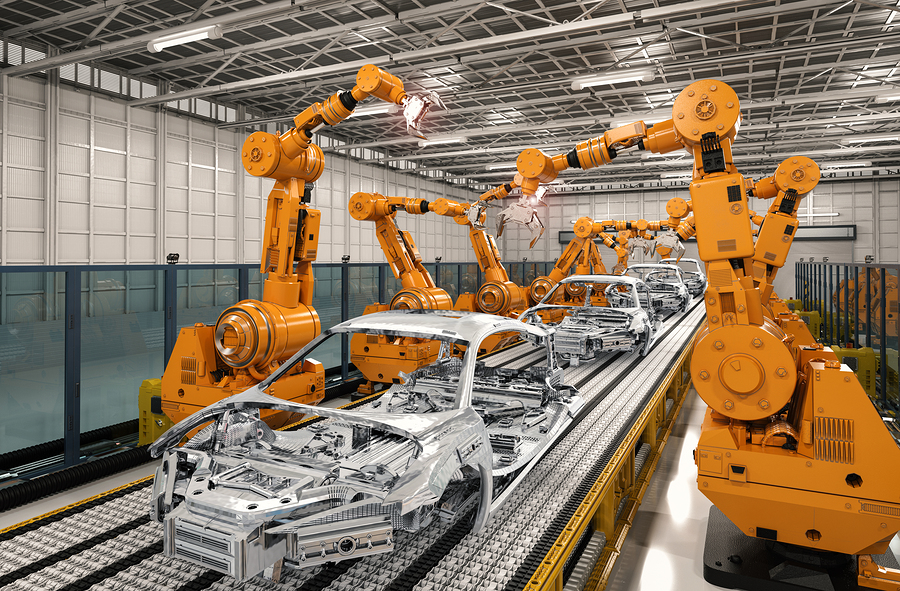
Introduction to the Modern Auto Industry
The automobile industry has entered one of its most transformative eras. What was once focused mainly on mechanical performance now blends software, sustainability, and intelligent design. From electric drivetrains to connected dashboards, vehicles are rapidly becoming smarter, cleaner, and more efficient.
The Shift Toward Electric and Hybrid Vehicles
One of the most significant changes in the auto sector is the rise of electric vehicles (EVs) and hybrid cars. Automakers are responding to environmental concerns, fuel efficiency demands, and evolving regulations.
Key drivers behind electrification
-
Lower emissions and reduced environmental impact
-
Improved battery technology offering longer range
-
Government incentives encouraging EV adoption
-
Rising fuel costs pushing consumers toward alternatives
Electric vehicles are no longer niche products; they are becoming mainstream options across multiple price segments.
Smart Technology Redefining Driving
Modern automobiles now function as rolling computers. Advanced software systems enhance comfort, safety, and connectivity.
Notable in-car technologies
-
Digital infotainment systems with voice control
-
Over-the-air updates for performance and security
-
Smart navigation with real-time traffic data
-
Vehicle-to-device connectivity for seamless integration
These innovations create a more personalized and intuitive driving experience.
Safety Innovations in Today’s Cars
Safety remains a core focus of automotive development. New vehicles incorporate both passive and active systems designed to reduce accidents and protect occupants.
Common advanced safety features
-
Automatic emergency braking
-
Lane-keeping assistance
-
Adaptive cruise control
-
Blind-spot monitoring
Such technologies significantly reduce human error, which remains a leading cause of road accidents.
Sustainable Manufacturing and Materials
Sustainability extends beyond the vehicle itself. Auto manufacturers are rethinking how cars are built.
Sustainability efforts include
-
Use of recycled and bio-based materials
-
Energy-efficient factories powered by renewables
-
Reduced water usage during production
-
Longer vehicle life cycles through modular design
These steps help reduce the overall carbon footprint of the auto industry.
The Role of Autonomous and Assisted Driving
While fully autonomous cars are still evolving, driver-assistance systems are already shaping daily driving.
Current levels of automation
-
Traffic jam assistance
-
Highway lane centering
-
Automated parking systems
These features improve convenience while laying the groundwork for future self-driving vehicles.
Consumer Expectations Are Changing
Today’s car buyers look beyond horsepower and styling. They value technology, sustainability, and long-term value.
What modern buyers prioritize
-
Fuel efficiency or electric range
-
Software features and updates
-
Safety ratings
-
Brand commitment to innovation
This shift influences how automakers design, market, and support their vehicles.
Conclusion
The auto industry is no longer just about transportation—it’s about mobility, intelligence, and responsibility. As technology advances and consumer priorities evolve, automobiles will continue to adapt, offering safer, cleaner, and smarter ways to move. The road ahead promises innovation at every turn.
Frequently Asked Questions (FAQs)
1. How long do electric car batteries typically last?
Most EV batteries are designed to last 8–15 years, depending on usage, climate, and charging habits.
2. Are electric vehicles more expensive to maintain than petrol cars?
No. EVs usually have lower maintenance costs due to fewer moving parts and no oil changes.
3. What is the difference between hybrid and plug-in hybrid cars?
Hybrids recharge through driving, while plug-in hybrids can be charged externally and drive longer distances on electricity alone.
4. Do modern cars rely heavily on software?
Yes. Software controls infotainment, safety systems, navigation, and even performance optimization.
5. Are autonomous cars legally allowed everywhere?
Regulations vary by region. Most places currently allow limited autonomous features, not full self-driving.
6. How is the auto industry reducing environmental impact?
Through electrification, sustainable materials, renewable energy use, and more efficient manufacturing processes.
7. Will traditional petrol cars disappear completely?
They may decline over time, but petrol vehicles are expected to coexist with electric and hybrid options for several years.
Comments are closed.