

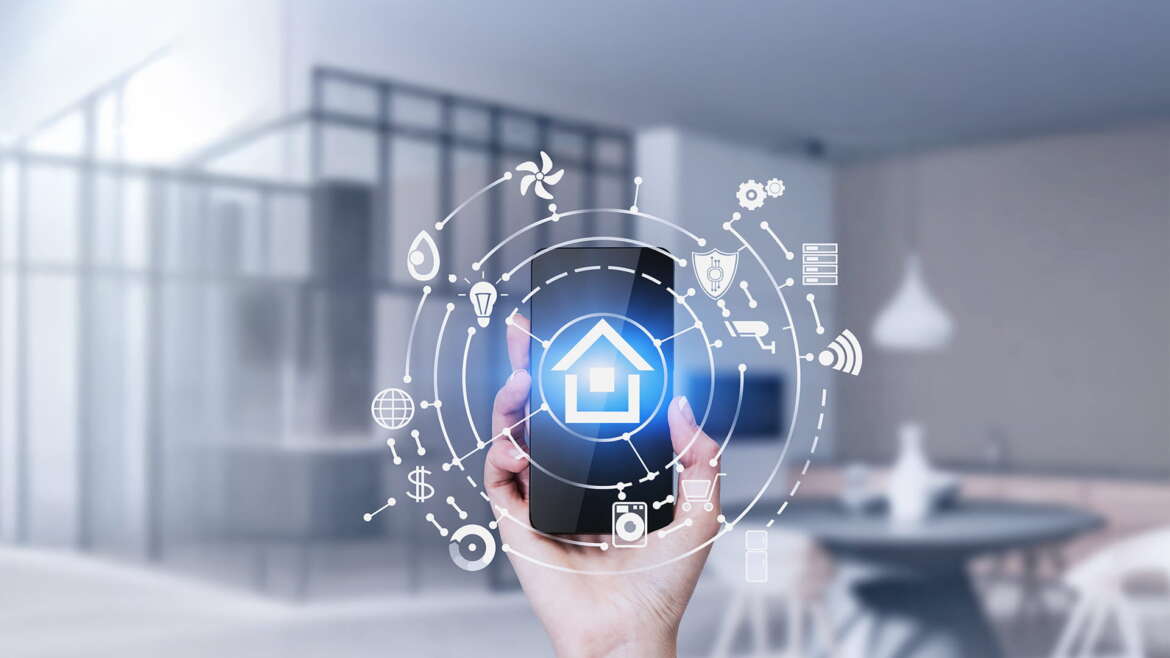
Smart homes are no longer a futuristic concept—they are a practical response to the demands of modern lifestyles. With people seeking convenience, efficiency, security, and comfort, smart home features seamlessly integrate technology into everyday living. From automated lighting to intelligent security systems, these innovations transform how we interact with our living spaces.
What Is a Smart Home?
A smart home uses connected devices and systems that can be controlled remotely or automatically. These features work together to improve daily life by saving time, reducing energy usage, and enhancing safety.
Core characteristics include:
-
Internet-connected devices
-
Centralized or app-based control
-
Automation and customization
-
Real-time monitoring
Smart Lighting for Comfort and Efficiency
Smart lighting adapts to your schedule, mood, and energy needs without manual effort.
Key benefits:
-
Remote control via smartphone or voice
-
Automated schedules for day and night
-
Energy savings through motion detection
-
Custom ambiance with dimming and color control
This feature is ideal for busy households that value both comfort and efficiency.
Intelligent Climate Control Systems
Modern smart thermostats learn user preferences and adjust temperatures automatically.
Advantages include:
-
Reduced energy consumption
-
Consistent indoor comfort
-
Remote temperature adjustments
-
Usage insights for better cost management
These systems are especially useful for people who travel frequently or manage irregular schedules.
Smart Home Security and Safety
Security is one of the most valued smart home upgrades for modern living.
Common features include:
-
Smart door locks and video doorbells
-
Motion sensors and smart cameras
-
Real-time alerts and monitoring
-
Remote access control
These tools provide peace of mind, whether you’re at home or away.
Voice Assistants and Centralized Control
Voice-controlled assistants act as the hub of smart homes, simplifying daily tasks.
They allow users to:
-
Control multiple devices hands-free
-
Set reminders and routines
-
Manage entertainment systems
-
Access information instantly
This level of integration enhances convenience and accessibility for all age groups.
Smart Appliances for Everyday Convenience
From kitchens to laundry rooms, smart appliances streamline household chores.
Popular examples include:
-
Smart refrigerators with inventory tracking
-
Automated washing machines
-
Energy-efficient smart ovens
-
Remote diagnostics and maintenance alerts
These appliances save time while improving efficiency.
Energy Management and Sustainability
Modern lifestyles increasingly focus on sustainability, and smart homes support this shift.
Smart energy features offer:
-
Real-time energy usage tracking
-
Automated power management
-
Integration with renewable energy
-
Lower utility costs
This makes smart homes both eco-friendly and cost-effective.
The Future of Modern Living
Smart home features continue to evolve, becoming more intuitive and interconnected. As lifestyles grow more fast-paced, these technologies help create homes that are responsive, efficient, and personalized, supporting both productivity and relaxation.
Frequently Asked Questions
What makes a home “smart”?
A home is considered smart when devices and systems are connected, automated, and controllable remotely through apps or voice commands.
Are smart home features expensive to install?
Costs vary depending on the features, but many smart devices are affordable and can be installed gradually.
Do smart homes save energy?
Yes, features like smart lighting and thermostats help reduce unnecessary energy consumption.
Can smart home systems work together?
Most modern systems are designed to integrate, allowing centralized control through a single app or assistant.
Are smart homes secure from cyber threats?
Security depends on proper setup, strong passwords, and regular updates, which significantly reduce risks.
Is a smart home suitable for all ages?
Yes, smart homes enhance accessibility and convenience for both younger users and seniors.
Can smart homes increase property value?
Homes with modern smart features are often more attractive to buyers and may increase resale value.
Comments are closed.